
The group as an experience of Not trauma
Relational trauma, sometimes called Complex Trauma or Complex PTSD, happens in relationships. Our first experiences of relationships, groups and belonging are usually within our family of origin.
Those experiences shape what we come to expect from groups. We may learn that belonging comes at a cost, that our needs are inconvenient, that disagreement leads to rejection, or that we have to adapt ourselves to keep the group happy and ourselves safe. Shame, guilt and fear may have been used as powerful coercive control levers.
Needing to abandon our authentic selves in this way may leave us feeling wary, isolated and lonely.
Therapeutic groups can provide an alternative experience of belonging, connection and community — something that individual work simply cannot offer in quite the same way.
Group members quietly welcoming each other's way of practising sends a very powerful message:
You exist.
You have the right to self-determination.
What matters to you, matters.
You are worthy of love and care.
Perhaps the experience of receiving this message is what I mean by the feeling of ‘not trauma’.
Not that nothing difficult happens. Not that you will always feel safe. Not that every choice you make will be good for you. But that the group will not make you give yourself up in order to be part of it.
This is what I call an exception experience — an experience that is different from what we have learned to expect from relationships.
An exception experience can be delicate — like trying to hold onto a snowflake. But when we experience it repeatedly, something that was previously difficult to know can begin to be known: there is another way of being with people.
This is a rare and precious thing when one hasn't had it.
The group becomes both a place to be, and the place to practice being.
“Recovery can take place only within the context of relationships; it cannot occur in isolation.
”
Safety
I can't promise that a group will always feel safe, or that nothing difficult will happen. What I can do is think carefully about how the group is structured and the conditions I create for people taking part.
There are some practical things I can do to create conditions that may support a sense of safety.
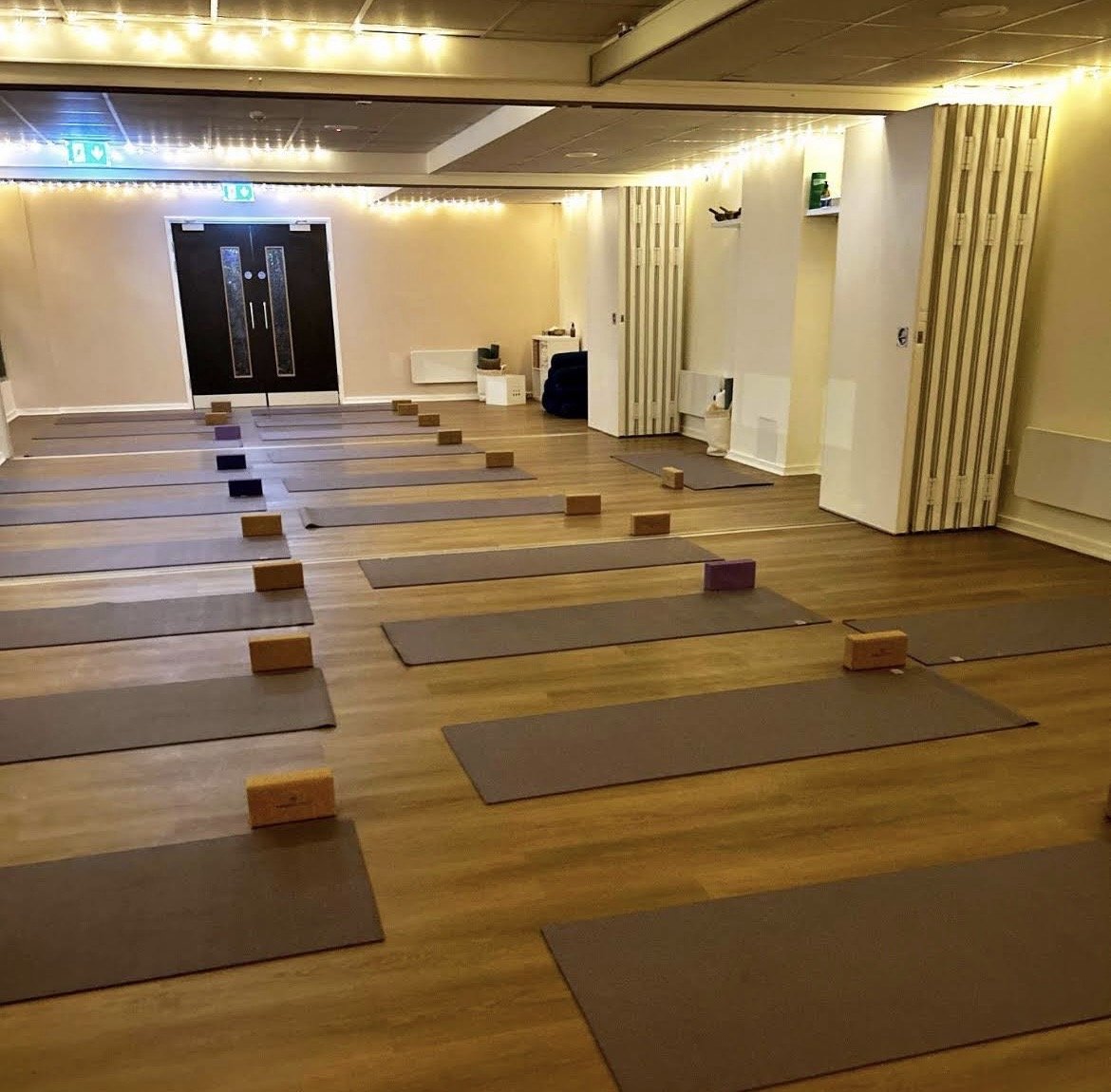
Groups are small - no more than 10 people
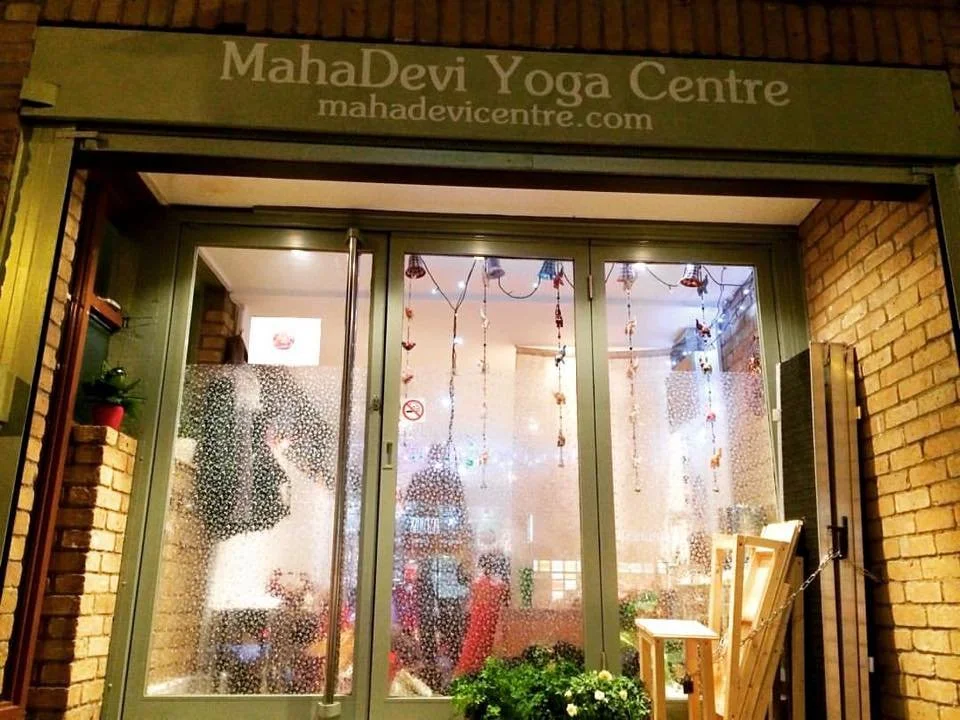
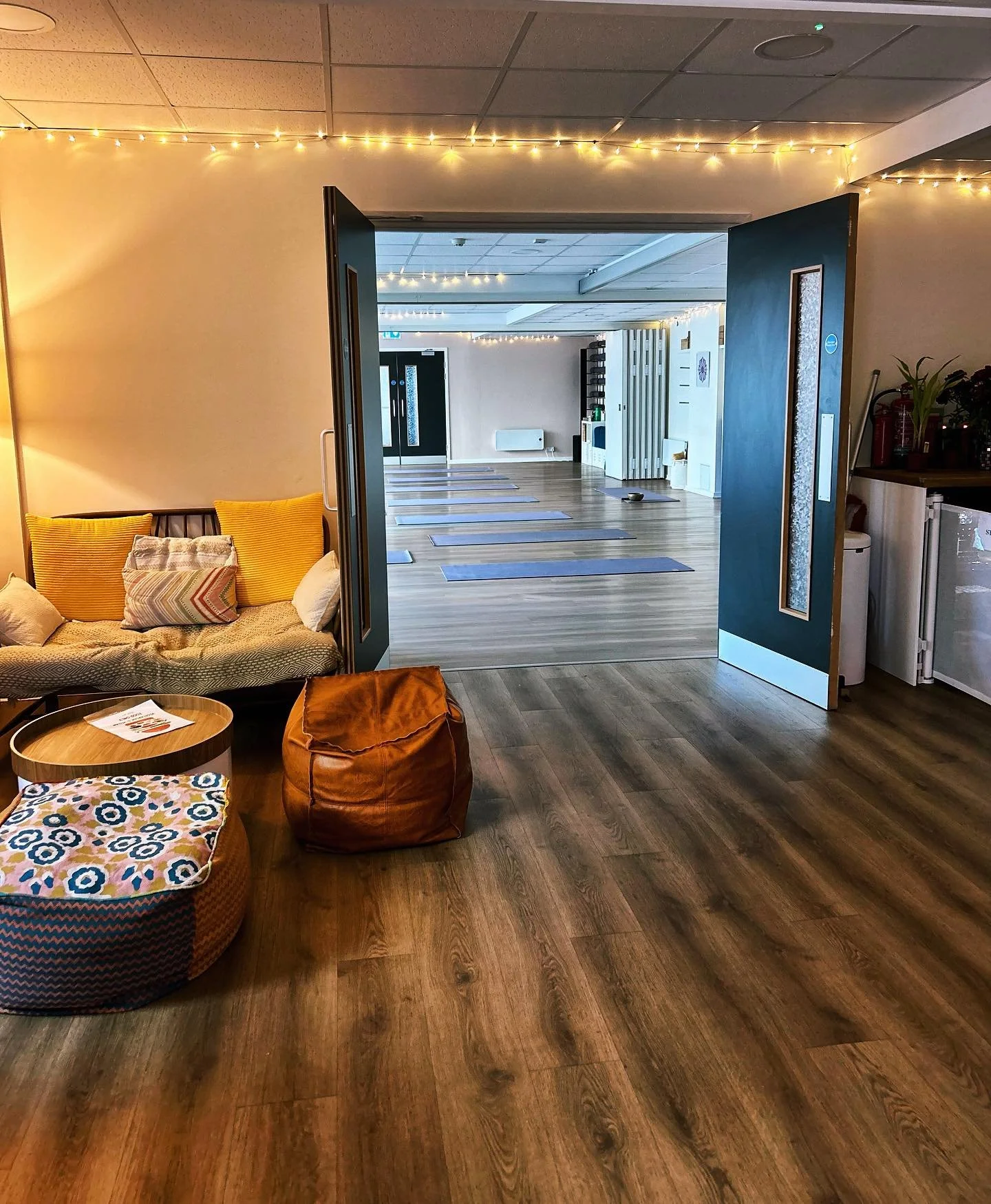
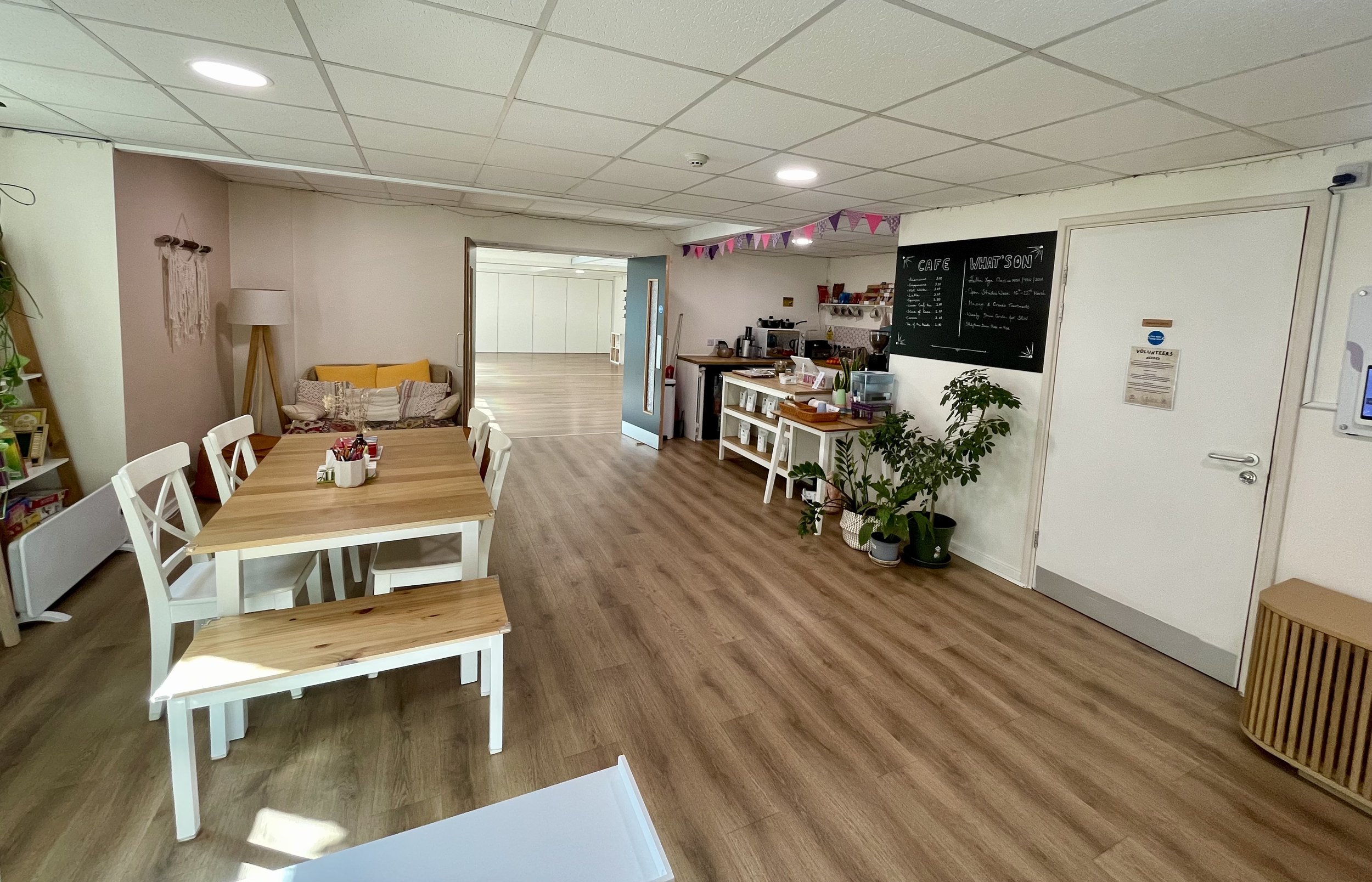
The studio is large, so there is always space between people and no-one needs to have others behind them
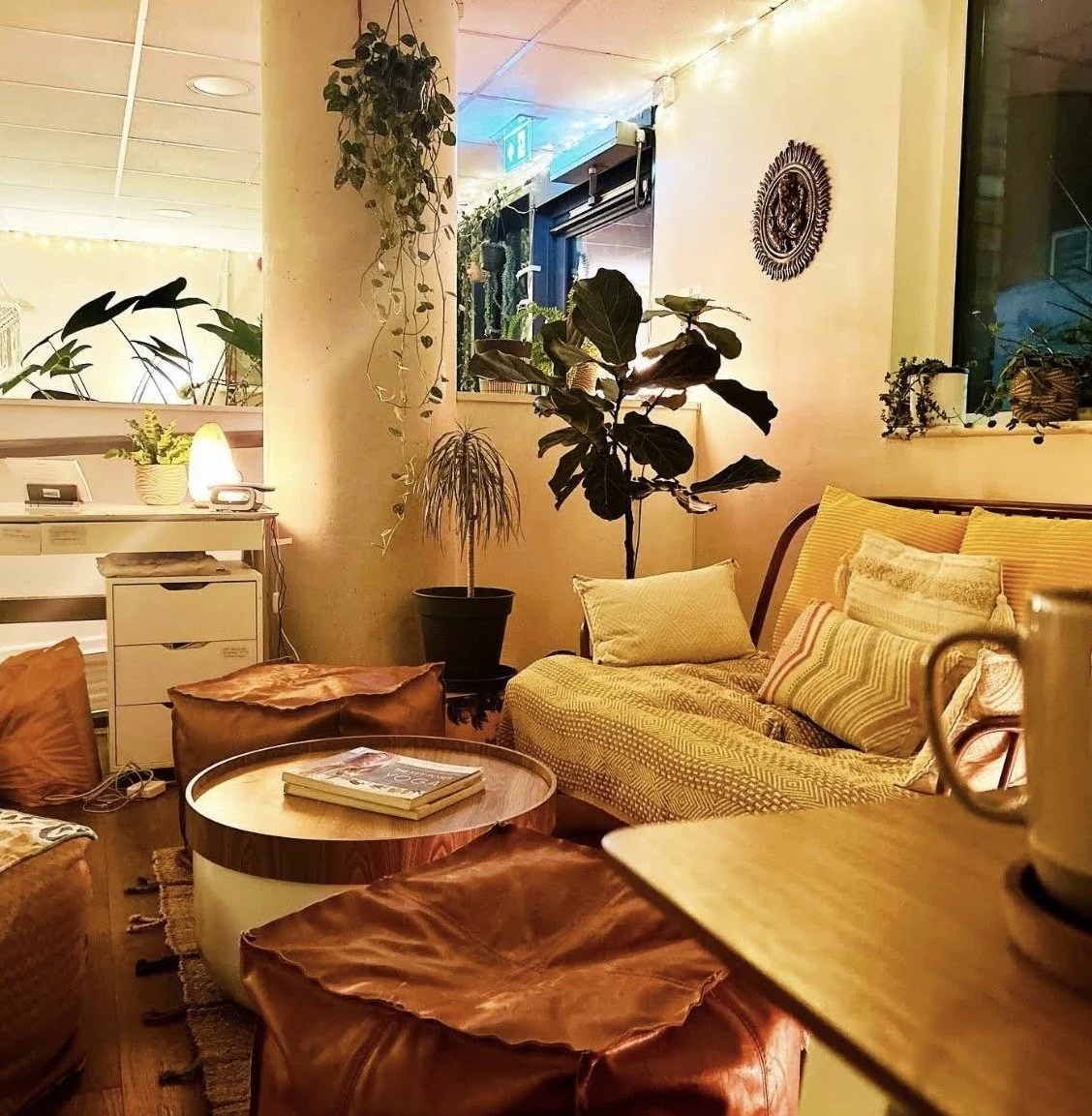
We have the whole building at our disposal, including the café and reception area. There are individual bathrooms and changing areas
You can wear any clothes you're comfortable in that allow us to share the space. You're welcome to keep your socks on
When shapes, movements and variations are offered, plain and simple language is used. You'll also be invited to explore making choices and letting your preferences guide you, rather than striving for an 'objective' ideal
All shapes and movements are offered as invitations
You're welcome to engage with the session in ways that work best for you within the structure of the group. For example, you can step out and take some time in the reception area, sit at the back of the room and read a book, or listen without doing the shapes
Our start and end times, and any other structure or format of the group, are communicated clearly. Participants are asked to respect the times and structure so that the group can proceed in a predictable way
Groups may differ in a number of important ways, notably who they are for, their therapeutic processes and their yoga practices. This information will always be communicated clearly on the website and during the intake process, so that you can make an informed decision about whether a particular group is right for you

Is a group right for you?
Groups aren't the right starting point for everyone. For some people, particularly when symptoms are currently intense or dissociation is deep or difficult to manage, individual work can provide more flexibility and support.
If you're experiencing significant anxiety or depression, complex patterns of dissociation including structural dissociation, depersonalisation, derealisation, deep somatic dissociation, or if substance use is currently affecting your ability to remain present and engaged, 1–1 work may be a better place to start.
If you're unsure whether a group is right for you, you’re welcome to make an initial enquiry and we can talk about what you're looking for.
Privacy & Paperwork
If you’re joining a group, you’ll need to complete the group booking form before booking your place. The form asks about your physical health, previous yoga experience and anything that may be relevant to your participation in the group. You don't need to provide details of your trauma history.
The information you provide is held digitally on password-protected and encrypted devices and systems. It is used only in relation to your participation in, or interest in, trauma-informed yoga practices with Alex Cat, and is handled in accordance with my Privacy Policy and Confidentiality Policy.
Additional Information
Each session will be facilitated by Alex Cat
Groups are for people aged 18 years and over.